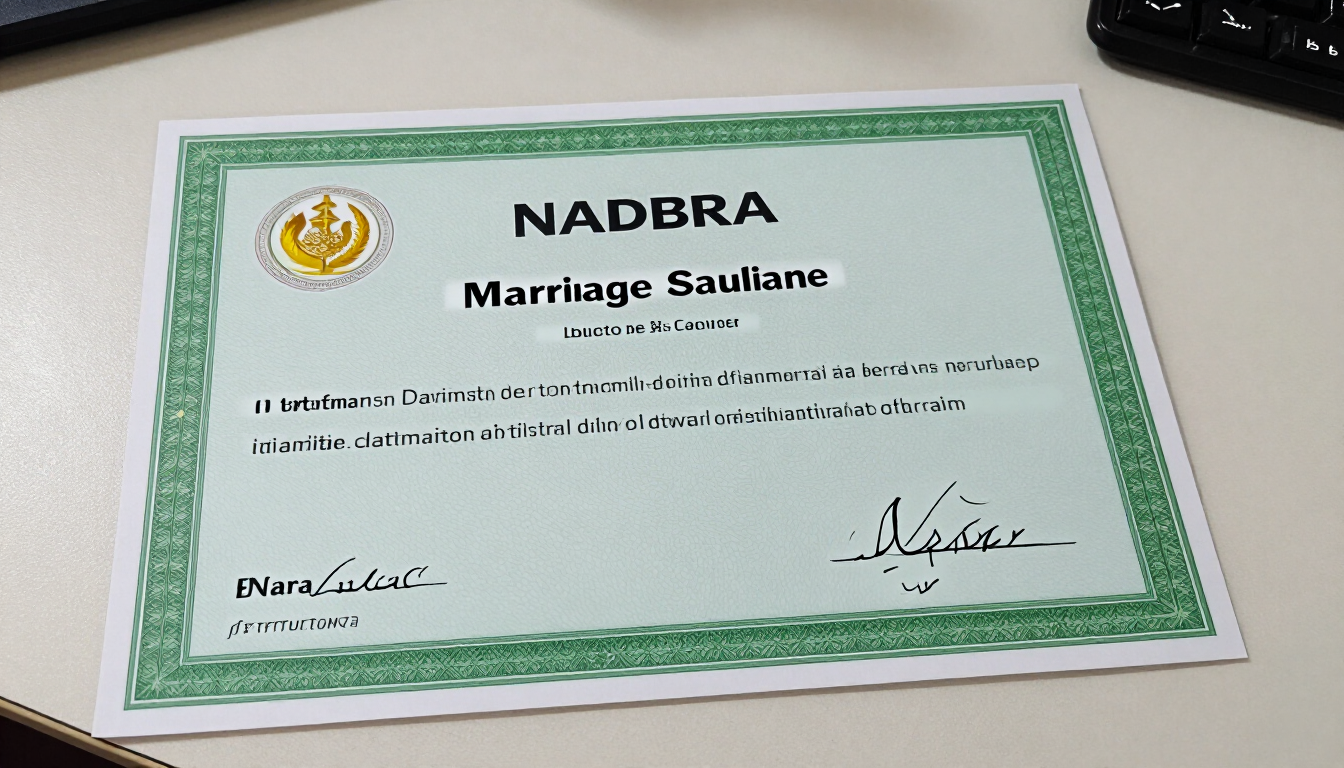
The official record, correctly understood
A NADRA computerized marriage certificate is a machine-readable official record often requested for visa, immigration and other official purposes. This page explains what it is, what it depends on, and what it does not guarantee.
The certificate is typically issued on the basis of the Union Council registration record. It is not a substitute for that registration, and it does not replace the Nikah Nama. We help identify the record you need and check its particulars.
What a NADRA marriage certificate is
A NADRA computerized marriage certificate is an official, machine-readable record of a registered marriage, typically generated from the Union Council registration. It is commonly required for visa applications, immigration and other official transactions.
It is important to understand NADRA’s role correctly. NADRA provides the technical infrastructure supporting the Computerized Registration Management System (CRMS), through which marriage records entered by the competent registration authority are stored and printed. NADRA is not the universal direct issuing authority for every marriage record: the Union Council, Cantonment Board or other competent local authority registers the marriage and remains the source of the official record. See Marriage Registration Certificate in Pakistan.
People sometimes use informal labels for a certificate. Identify the exact issuing authority and document requested by the receiving institution, rather than relying on a generic name.
How it relates to registration and the Nikah Nama
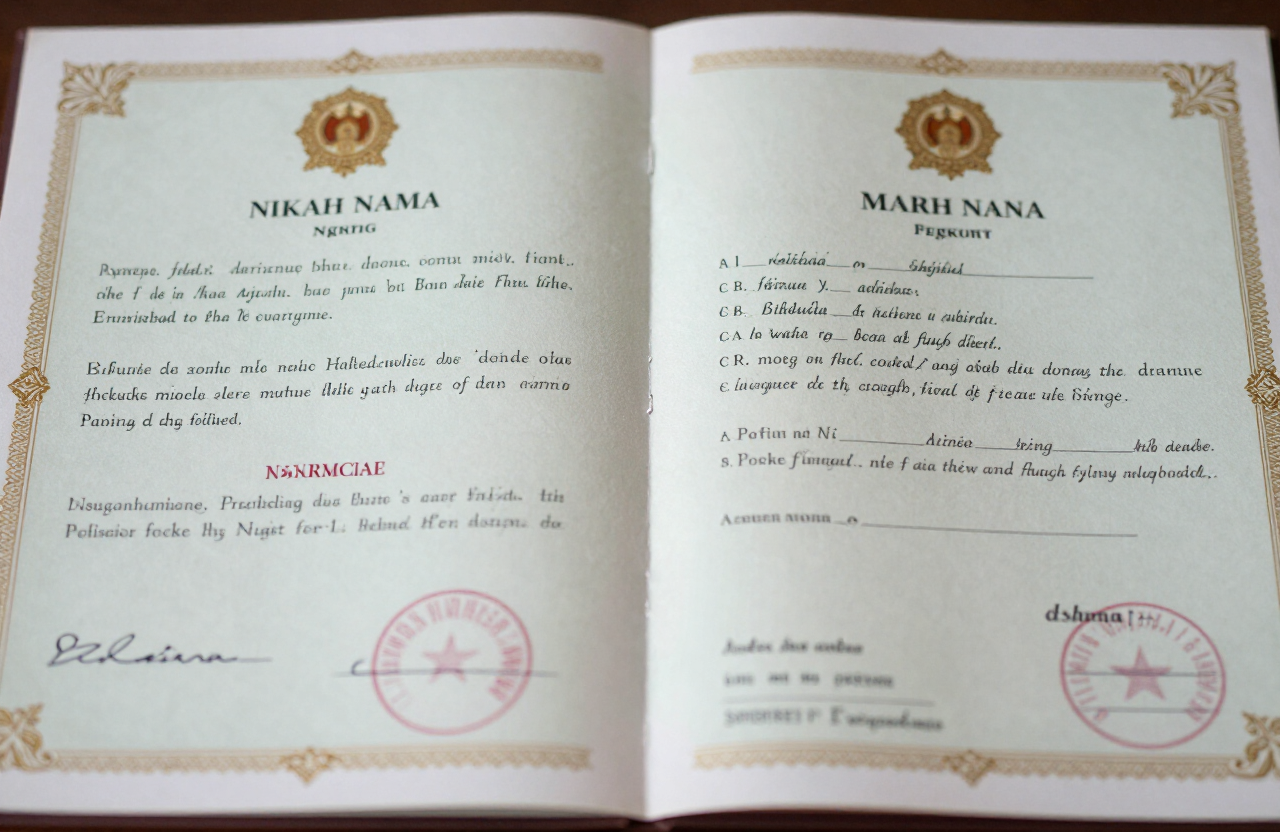
The certificate depends on an existing registration. The Nikah Nama is the marriage-contract document recorded at registration; the NADRA certificate is the computerized official record that typically follows. They serve related but different purposes.
Do not assume that every existing marriage record already qualifies for the certificate you need. The underlying registration and particulars should be checked first. See Nikah Nama registration and registration.
Checking the particulars before you rely on it
Names, identity references and dates on the certificate should agree with your supporting documents. A spelling discrepancy can create questions during overseas use and should be raised promptly.
If a record needs correction or replacement, the issuing authority determines the route and evidence required. Time and costs depend on the issue; they are not covered by a blanket completion promise.
Obtaining the certificate
Obtaining the certificate ordinarily follows registration with the Union Council. We help identify the correct record, check particulars and explain the route, including what attendance, authorisation or original-document requirements may apply.
Processing time depends on the authority’s schedule and the consistency of the underlying record. We do not guarantee a fixed deadline or the acceptance of incomplete records.
Overseas use: attestation, translation and legalisation
For overseas use, the receiving authority may ask for attestation, an approved translation, or legalisation. Requirements differ across immigration offices, civil registries and other institutions.
Authentication does not guarantee recognition of the underlying marriage or acceptance of an application. Additional document-handling services must be expressly agreed. See overseas guidance.
What the certificate does not promise
A NADRA certificate is evidence of a registered marriage, but it does not by itself guarantee civil recognition abroad, a visa outcome, or acceptance by every institution. The receiving authority decides.
If a provider claims the certificate alone secures a visa or worldwide recognition, treat it as a warning sign. The certificate is one part of a larger, authority-dependent process.