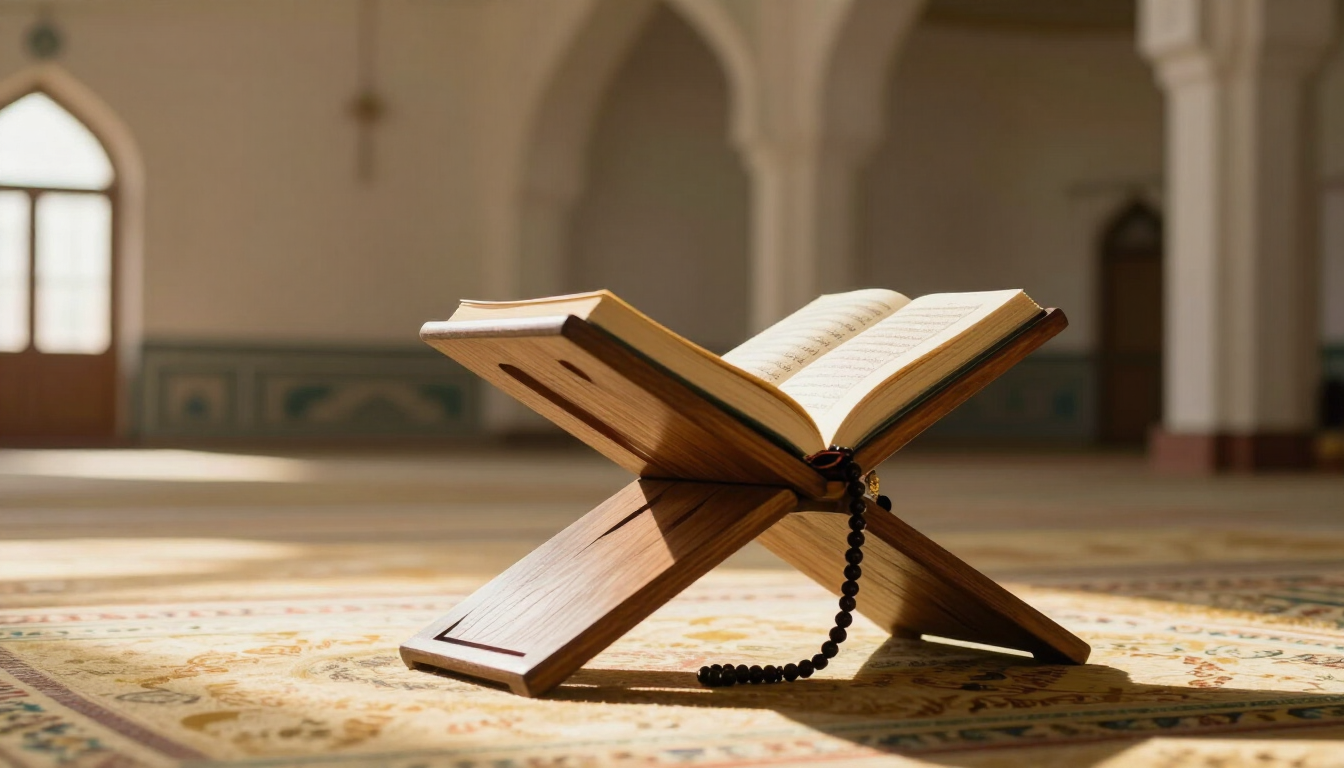
Religious meaning, practical care
A Sharia Nikah is the Islamic marriage contract solemnised according to Islamic law. This page explains its religious elements — consent, offer and acceptance, mehr, witnesses and the wali — and how they connect to documentation and registration in Pakistan.
We respect the religious significance of the Nikah while being clear that religious solemnisation and statutory registration are separate. A religiously valid Nikah still needs to be properly documented and registered.
The Nikah as an Islamic marriage contract
In Islam, marriage is a contract (nikah) formed by a clear offer (ijab) and acceptance (qabul) between two people eligible to marry, in the presence of witnesses. The contract ordinarily includes an agreed mehr and may include other agreed terms.
Solemnisation is the act through which this contract comes into being. Its religious validity depends on the requirements of Islamic law, including consent, capacity and witnesses — not merely on a ceremony taking place.
Free consent and capacity
Free and informed consent is essential. Both prospective spouses must willingly and knowingly enter the marriage, with the legal capacity to do so. The applicable minimum-age rules must be checked for the relevant jurisdiction.
We do not coordinate underage, coerced or misrepresented marriages. A Sharia Nikah conducted without genuine consent is not a marriage we will support. See requirements.
Mehr and agreed terms
Mehr is a financial right of the wife agreed as part of the contract and recorded in the Nikah Nama. Both spouses should understand the amount, form and timing before the ceremony. It is distinct from any professional service fee.
Where a term or right is unclear, seek legal advice before signing. Coordination helps you prepare; it does not interpret every legal consequence of the contract.
Witnesses and the role of the wali
Witnesses are central to the Islamic contract and must be present and identifiable. The role of a wali (guardian) applies where the relevant school of thought or local rule requires it.
If a representative is proposed, the authorisation, identity and participation route must be assessed for the specific case. A video image alone is not proof that witness and consent requirements were met.
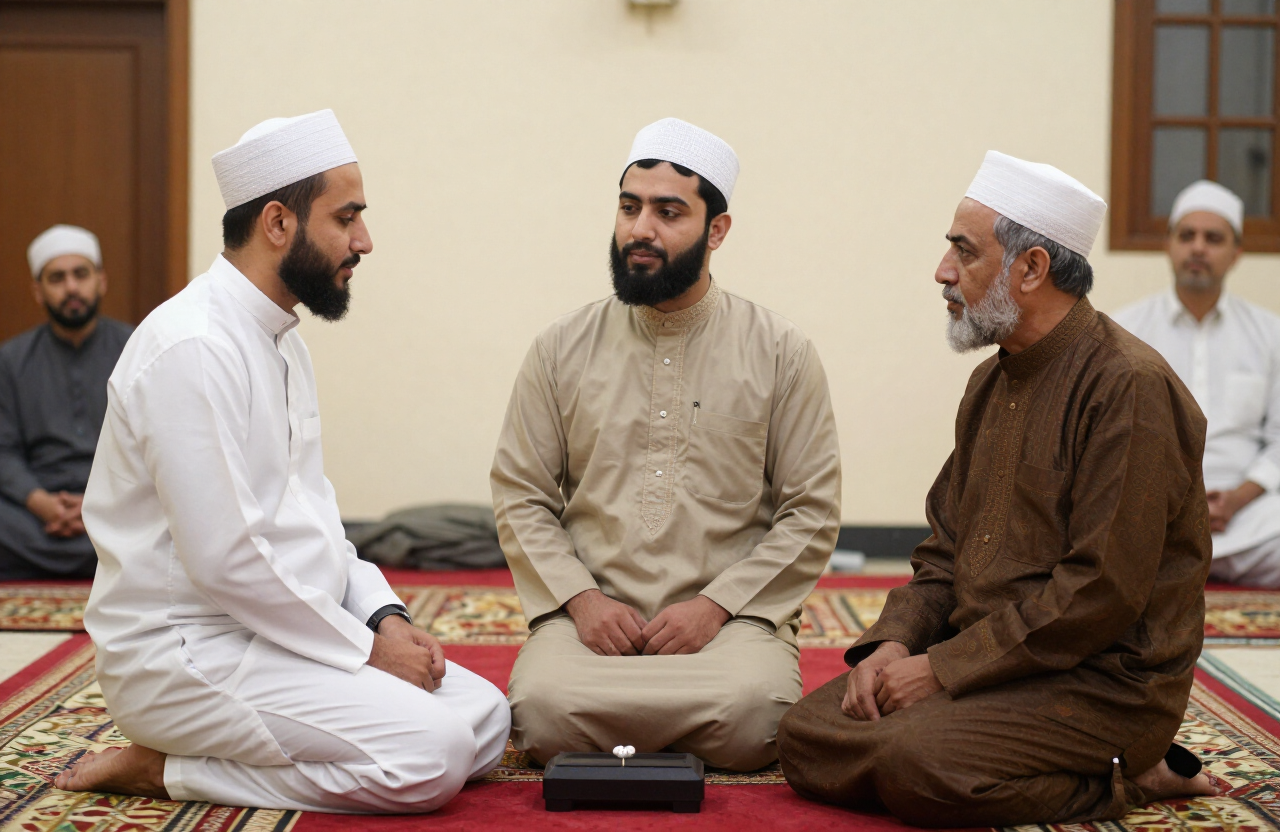
Religious solemnisation and statutory registration
A religiously valid Sharia Nikah and statutory registration are separate. The Nikah can be religiously solemnised and still need the Nikah Nama to be completed and registration with the Union Council to follow.
In Pakistan, registration under the Muslim Family Laws Ordinance, 1961 is a statutory requirement. A Sharia Nikah does not remove the duty to register. See registration.
Remote and representative arrangements
Where one party cannot be present, Islamic law and Pakistani practice may allow a representative (wakil) to act on the basis of a valid authorisation. The authorisation must be valid and accepted for the intended arrangement.
Do not assume a remote or proxy arrangement is recognised everywhere. Destination-specific rules can differ, and a video call alone is not a legally sufficient ceremony. See overseas guidance.