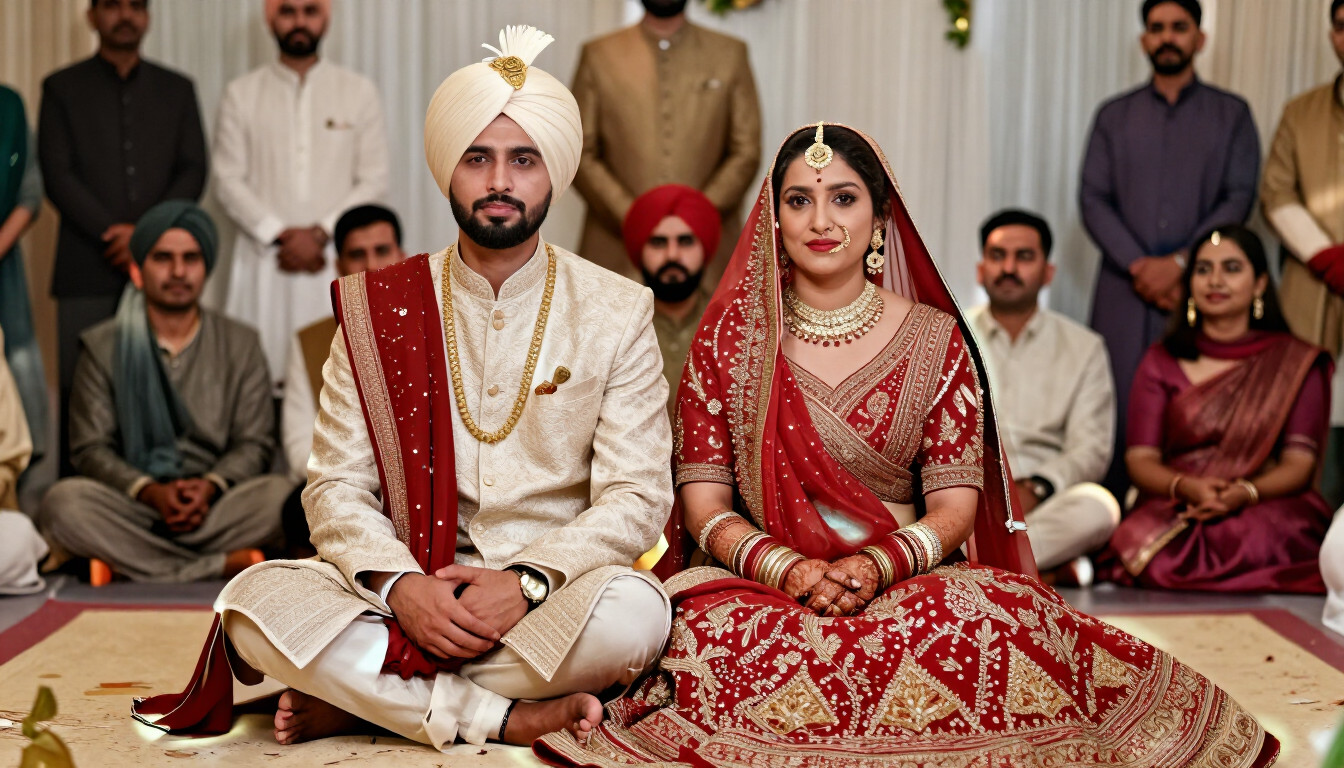
Punjab requirements, reviewed first
Online Nikah Legal Service coordinates marriage enquiries connected to Lahore from our Karachi consultation offices. We do not operate a branch office in Lahore. The first conversation can begin remotely; the applicable Punjab requirements, Union Council jurisdiction and any local attendance are confirmed after the case is reviewed.
Lahore falls under Punjab’s administrative and family-law framework. The review starts with the people involved — their identity, residence, marital history and the intended use of the documents — and only then moves to timing and ceremony arrangements. We do not promise an instant ceremony, a fixed registration deadline or overseas recognition.
What “Online Nikah in Lahore” means
“Online Nikah” describes how the consultation and document review begin — over a video call or WhatsApp — not a separate kind of marriage. The Nikah itself is the same Islamic and statutory event whether planned remotely or in person. The requirements that make a marriage valid and registrable in Punjab do not change because the planning started online.
A responsible service treats the remote conversation as a convenience for the first step. It does not remove identity checks, free consent, witnesses, the role of a wali where applicable, or registration with the Union Council. See our step-by-step procedure for how these stages fit together.
Lahore localities we coordinate enquiries for
Couples connected to Lahore approach us from across the city. We do not have an office in Lahore, but we can coordinate enquiries and help identify the relevant Union Council for marriages connected to these areas. Tell us your locality at the first consultation.
- Gulberg and Gulberg III
- DHA Lahore Phases 1–6
- Bahria Town Lahore
- Johar Town and Town
- Model Town and Garden Town
- Cantt (Lahore Cantonment)
- Wapda Town and Valencia Town
- Iqbal Town and Allama Iqbal Town
- Faisal Town and Township
- Raiwind and nearby areas
Eligibility, consent and legal capacity
Both prospective spouses must freely and knowingly consent. Free consent is the foundation of a valid Nikah. Legal capacity — including the applicable minimum age under Punjab rules and the absence of a bar from a prior undissolved marriage — must be confirmed for the relevant jurisdiction. We do not coordinate underage, coerced or misrepresented marriages.
A prior marriage, divorce or bereavement may raise additional requirements. Disclose the facts accurately at the first consultation so the correct evidence — a final divorce decree, a death certificate or other records — can be assessed before any arrangement is confirmed.
Identity documents to prepare
Begin with a brief summary of your situation rather than full identity documents. After the initial review, send only the records needed for the agreed task. The exact list depends on your circumstances, but the following are commonly relevant for a Lahore-connected marriage.
- CNIC for each spouse and witness
- NICOP or passport where one spouse is an overseas Pakistani
- Final divorce decree or death certificate where there was a prior marriage
- Two witnesses with valid identity records
- Any authorisation document where a representative is proposed
The Nikah procedure and witnesses
In Islam, marriage is a contract formed by a clear offer (ijab) and acceptance (qabul) between two eligible people, in the presence of witnesses. The contract ordinarily includes an agreed mehr and may include other agreed terms. A Nikah registrar licensed by the Union Council ordinarily performs and records the marriage.
Witnesses are central to the Islamic contract, and the role of a wali applies where the relevant school of thought or local rule requires it. Their identity and presence must be genuine and verifiable. A video image alone is not, by itself, proof that these requirements were met. Where a representative is proposed for an overseas spouse, the authorisation and its acceptance must be reviewed in advance.
Registration with the Union Council in Lahore
Registration of the marriage with the Union Council under the Muslim Family Laws Ordinance, 1961 is a statutory step in Punjab, and the Nikah Nama is the form through which it is recorded. Lahore is divided across many Union Councils; the correct one depends on where the spouses reside and where the marriage is solemnised.
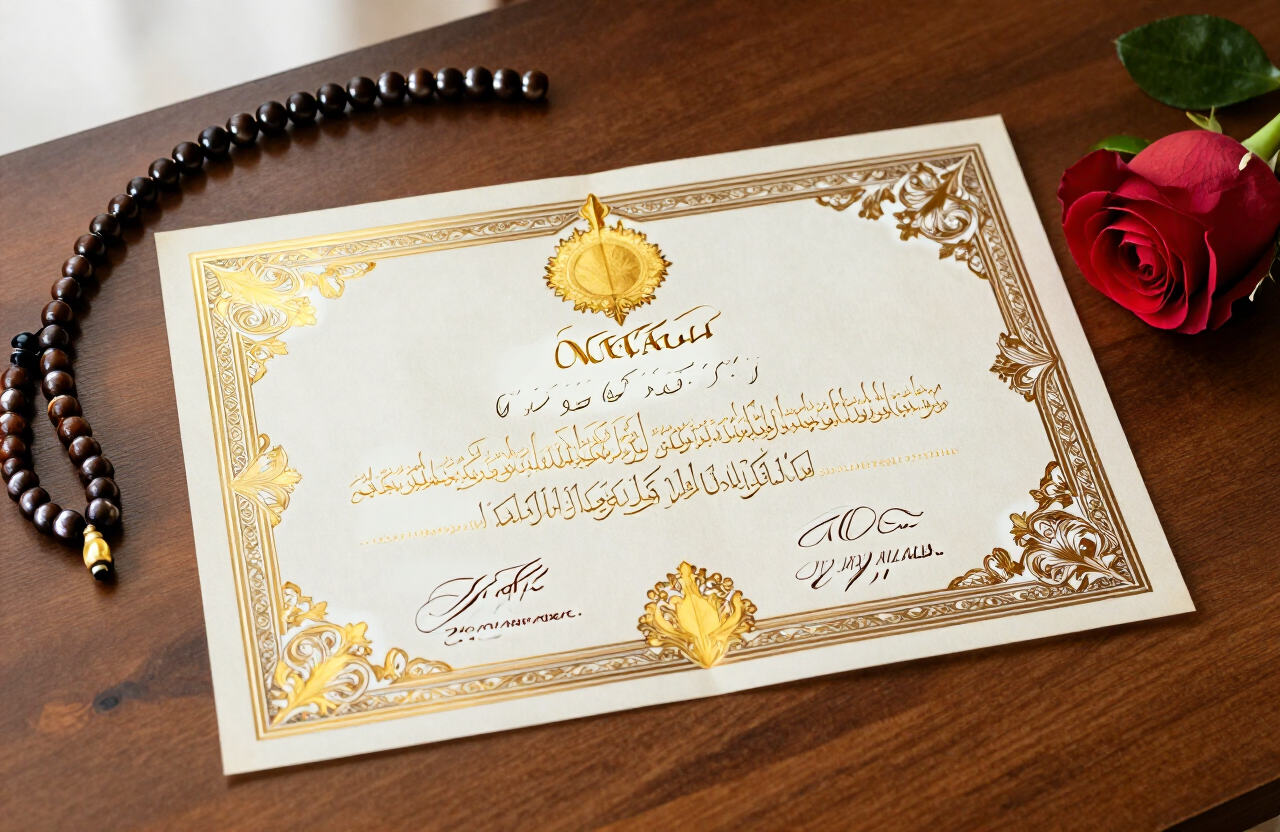
Statutory registration creates an official public record of the marriage. It is distinct from the religious solemnisation, and distinct again from a NADRA computerized marriage certificate, which is typically issued on the basis of the Union Council record. Skipping registration does not erase the legal duty to register.
If your documents will be used overseas
Many Lahore enquiries come from overseas Pakistanis or spouses living abroad. Tell us the destination and intended use from the outset. Pakistani registration, document authentication and overseas acceptance are distinct matters — translation, attestation or legalisation may authenticate a document but does not guarantee recognition or a visa outcome.
Different countries treat remote or proxy marriages differently. Seek current advice from the receiving institution or a qualified destination-country adviser. No overseas recognition, visa approval or legal outcome is guaranteed by a Pakistan-side coordination service.
How to inquire and what happens next
Start with a confidential consultation using the form below, or message us on WhatsApp at +92 331 6644789. We do not have a Lahore office, so the consultation is remote or at our Karachi locations by arrangement. Share where both prospective spouses live, their nationality, marital history and the intended use of the documents.
Our usual Nikah coordination and registration-assistance fee is PKR 40,000–60,000 depending on the agreed scope, with 50% in advance and 50% after completion. Authority charges, translation, attestation, courier and travel are disclosed separately. See fees and procedure for the full breakdown.