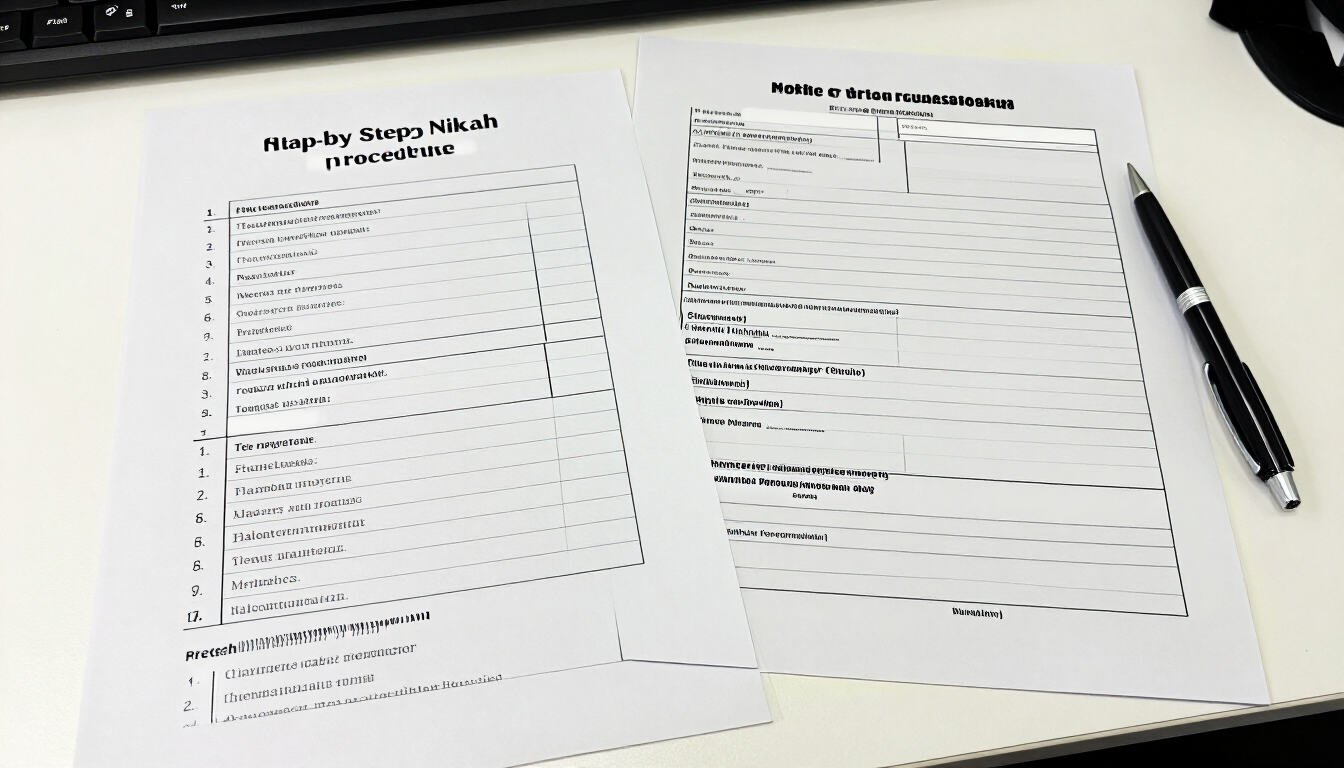
A process you can follow
A clear procedure protects both spouses. This page sets out the stages in order, what each depends on, and where an authority — not a coordinator — decides the outcome. We discuss an indicative timeline after reviewing the case; we do not promise an instant ceremony or a fixed registration deadline.
Where your case involves a prior marriage, a representative, or overseas use, additional steps apply. Confirm the applicable requirements for your jurisdiction before setting a date.
Step 1 — Initial discussion and requirements review
Share the locations and nationalities of both prospective spouses, proposed timing, marital history and the intended use of the documents. The team identifies questions about eligibility, identity, witnesses and any proposed representative.
Document review is completed before the proposed arrangement is confirmed. Missing or inconsistent records may need correction through the issuing authority. See requirements.
Step 2 — Agree the engagement and participation
Receive the case-specific scope, fee breakdown, payment milestones and anticipated timeline. Confirm who needs to be present and how any authorisation will be handled.
Both spouses should understand the Nikah Nama entries, the agreed mehr and any proposed terms before the ceremony. Ask questions while corrections can still be made. See fees and milestones.

Step 3 — Document preparation
Prepare identity records, witness details, prior-marriage evidence where relevant, and any required authorisation. Names, dates and identity references are checked for consistency against the supporting documents.
Inconsistent particulars can delay submission and may need correction at source. Never alter a record or conceal a prior marriage. See documents.
Step 4 — Solemnisation of the Nikah
The Nikah is solemnised only once the necessary checks and arrangements are complete. The marriage contract is formed through offer and acceptance, with witnesses present and the agreed mehr recorded. A licensed Nikah registrar ordinarily performs and records the marriage.
Where one party cannot be physically present, a representative (wakil) may act on the basis of a valid authorisation — but a video call alone is not, by itself, a legally sufficient ceremony. See Sharia Nikah.
Step 5 — Statutory registration
Registration with the competent authority (ordinarily the Union Council) creates the official public record of the marriage. The Nikah Nama is the form through which it is recorded. Registration is a statutory step, separate from the religious solemnisation.
Processing time depends on the authority’s schedule, document availability and any corrections. We discuss an indicative timeline rather than guarantee a fixed number of days. See registration.
| Step | What happens | Who decides |
|---|---|---|
| 1. Initial review | Eligibility, identity and document checks | Coordinator + you |
| 2. Engagement | Scope, fee and milestones agreed in writing | You + coordinator |
| 3. Documents | Records prepared and checked for consistency | Coordinator + you |
| 4. Solemnisation | Nikah contract formed with witnesses | Nikah registrar |
| 5. Registration | Union Council records the marriage | Union Council |
| 6. Records | Nikah Nama, NADRA certificate, overseas use | Authority + you |
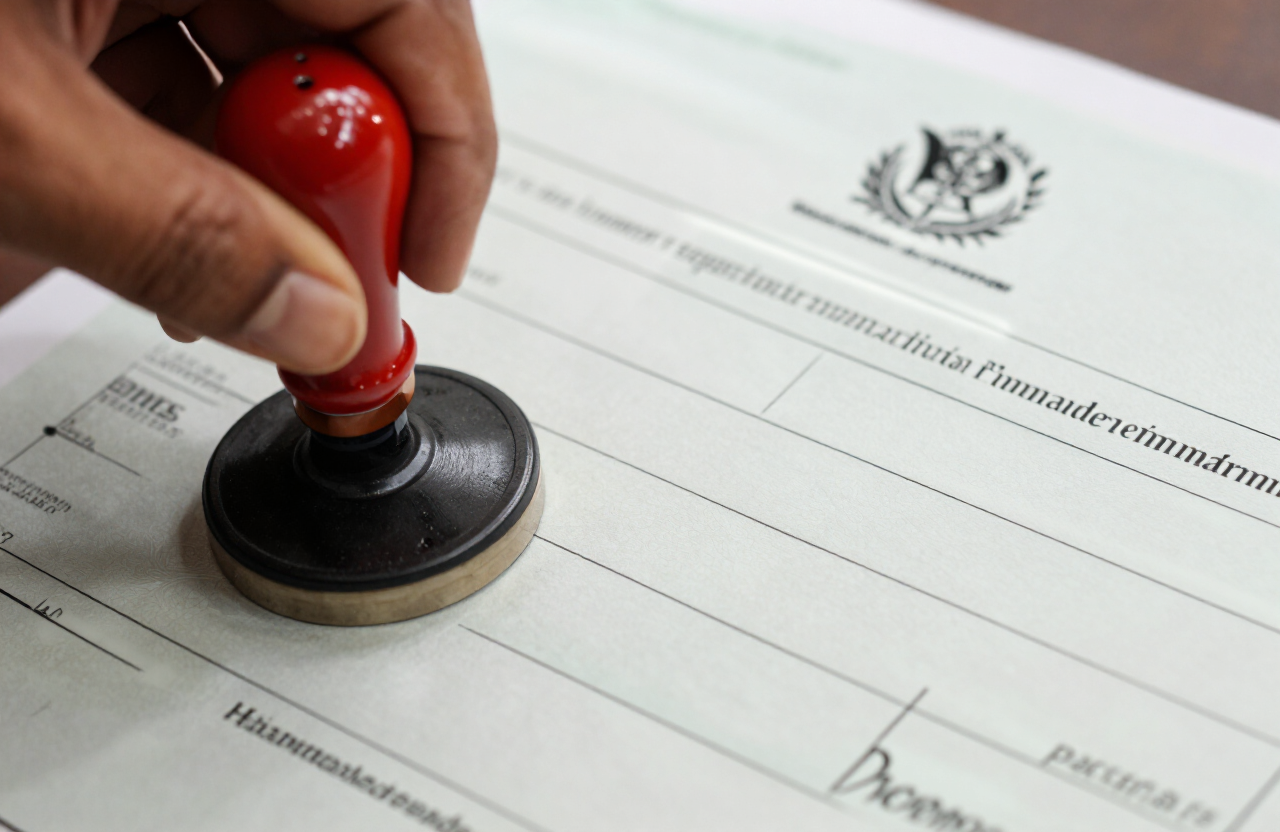
Step 6 — Records, certificate and overseas use
After registration, the records you need may include the registered Nikah Nama and a NADRA computerized marriage certificate. For overseas use, translation, attestation or legalisation may be required — confirm the receiving authority’s checklist first.
Retain copies of what is submitted and any acknowledgements. No Pakistan-side service can guarantee overseas recognition or a visa outcome.