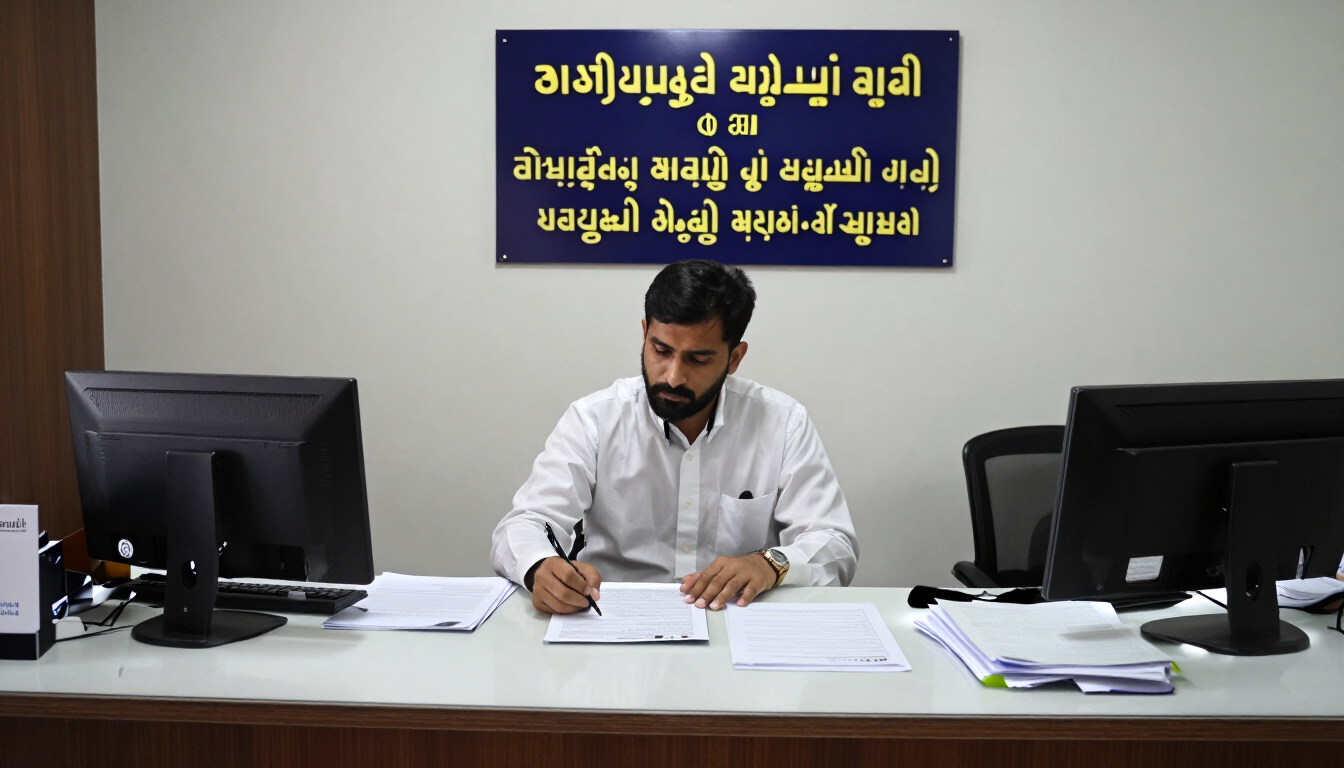
Registration, not just a ceremony
Registration is what turns a solemnised Nikah into an official public record. This page explains the authority, the form and the statutory step, and the limits of what a coordinator can do. We prepare and guide; the authority decides.
A religiously solemnised marriage still needs to be registered. Non-registration does not erase the legal duty, and an unregistered Nikah is not a substitute for the official record. See Nikah without registration.
The competent registration authority
In Pakistan, marriage registration is handled by the Union Council under the Muslim Family Laws Ordinance, 1961. A licensed Nikah registrar (Nikah Khawan) ordinarily performs the marriage and records it on the prescribed Nikah Nama form, which is then submitted to the Union Council.
The right route depends on the facts of the marriage and local requirements, not simply where you prefer to submit documents. We help identify the correct jurisdiction and the supporting records needed.
The Nikah Nama as the registration form
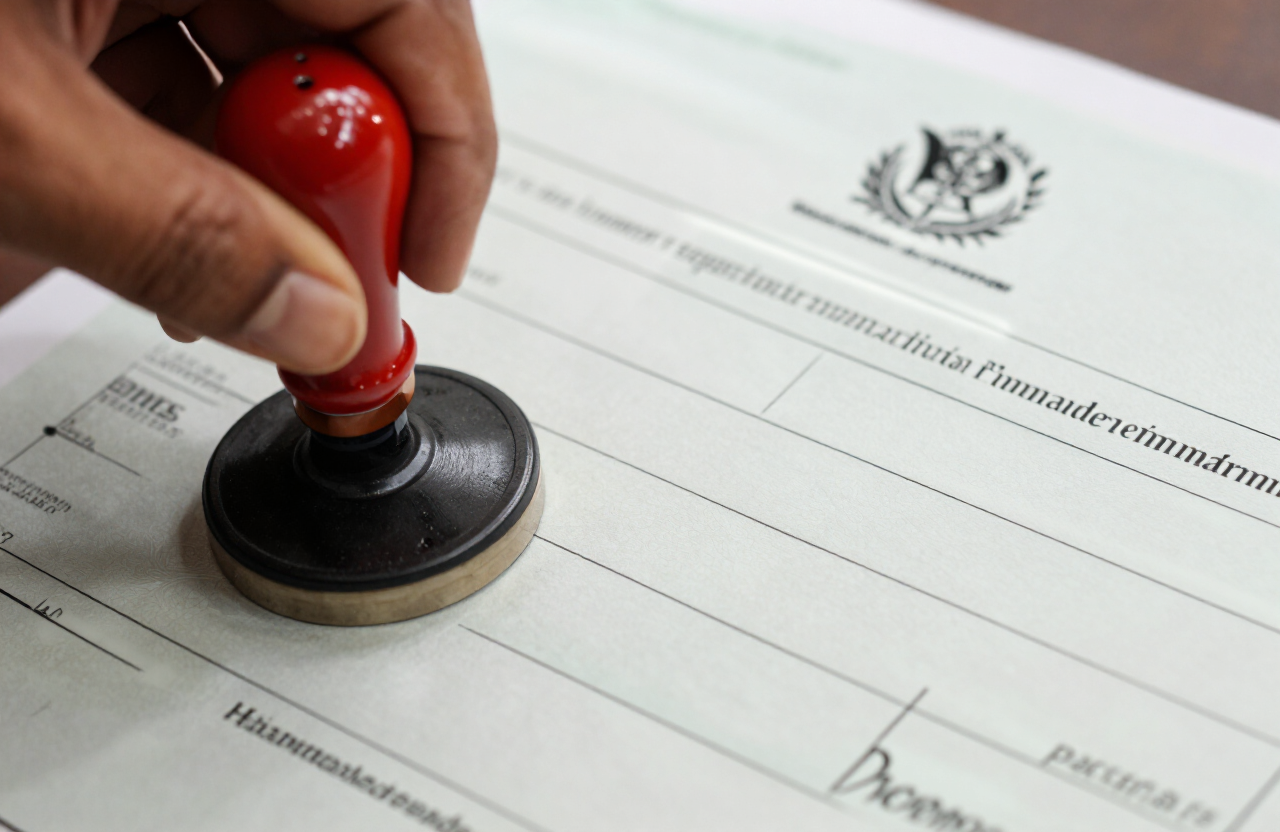
The Nikah Nama is both the marriage-contract document and the prescribed form through which registration is recorded. It captures the parties, mehr, witnesses and other particulars. Accuracy at this stage prevents complications later.
Names, identity references and dates should agree with the supporting documents. Inconsistent entries can delay registration and may need correction at source. See Nikah Nama registration.
A statutory step, separate from solemnisation
Statutory registration creates the official public record of the marriage. It is distinct from the religious solemnisation: a Nikah can be religiously solemnised and still need to be registered. Under the Muslim Family Laws Ordinance, registration is a legal requirement, and non-registration is an offence.
This is why an unregistered Nikah is not a complete solution. It does not remove the duty to register, and it can create serious difficulties for overseas use, evidence and future official transactions.
The NADRA computerized marriage certificate
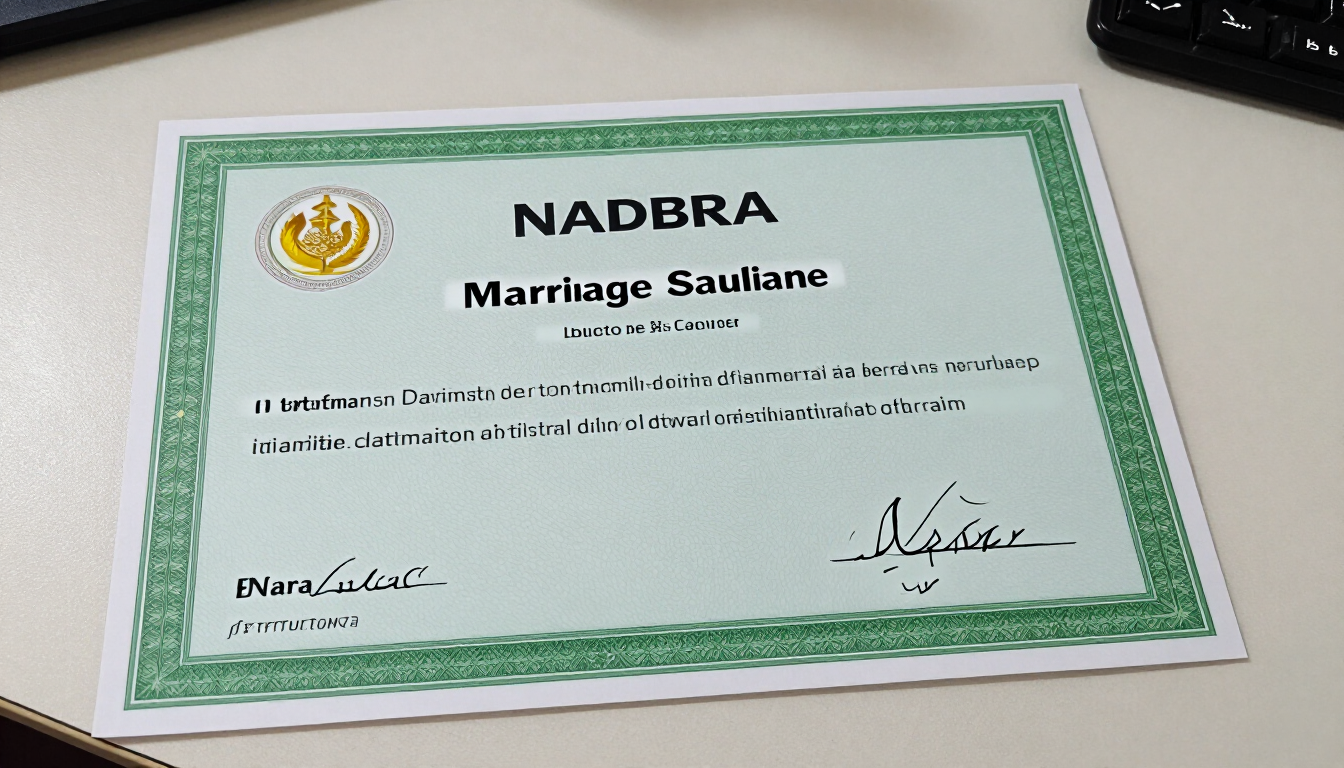
A NADRA computerized marriage certificate is typically issued on the basis of the Union Council registration record. It is a machine-readable official document often requested for visa, immigration and other official purposes.
The certificate does not replace the Nikah Nama, and it cannot be issued where no registration exists. If the underlying record is inconsistent, the certificate will reflect that inconsistency unless it is corrected first.
What registration support includes
Registration support means helping clarify the information and supporting records needed for the agreed application, and explaining what attendance, authorisation or original-document requirements may apply. We help prepare a consistent submission.
Registration remains subject to the authority’s requirements and schedule. We do not guarantee approval, a fixed deadline or acceptance of incomplete records. Keep copies of what is submitted and any acknowledgement.
Corrections and overseas use
If a record needs correction or replacement, the issuing authority determines the route and evidence required. Time and costs depend on the issue. For overseas use, translation, attestation or legalisation may be required — confirm the receiving authority’s checklist first.
A Pakistani registration record does not itself guarantee civil recognition abroad or a successful visa application. Plan those next steps with the receiving institution. See legal information.