
Respect for tradition, care with the record
A Nikah in Pakistan is usually a family occasion as much as a legal one. This page walks through the ceremony in the order it normally happens, explains the customs that surround it, and points out the details that decide whether the marriage is properly documented afterwards.
We respect the religious and cultural meaning of the day. Our role is practical: arranging a licensed Nikah Khawan, preparing an accurate Nikah Nama and following the registration through, whether the ceremony takes place in person or is coordinated for family members abroad.
What the Nikah ceremony is
The Nikah is the Islamic marriage contract. The word comes from Arabic and refers to joining or union. In law and in practice it is a contract between two eligible adults, formed by an offer and its acceptance before witnesses, with an agreed mehr recorded for the bride.
Everything else on the day — the gathering, the food, the celebrations — is custom. Those traditions give the occasion its character, but the elements that make the marriage valid and registrable are few, specific and the same across Pakistan. The ceremony is where they are put into effect and written down.
Before the ceremony: customs and practical preparation
Many families begin with istikhara, a prayer for guidance, followed by a mangni or engagement at which the families formally agree the match and exchange gifts. Dholki and mehndi evenings with songs and music are common in the days before the Nikah. These are family traditions, not legal requirements, and they vary widely.
The practical preparation matters more for the record. Before the day, confirm that both spouses are eligible and freely consenting, agree the amount and form of mehr, decide on any conditions to be written into the contract, choose the witnesses and gather identity documents. See requirements and the documents checklist.
The ceremony, step by step
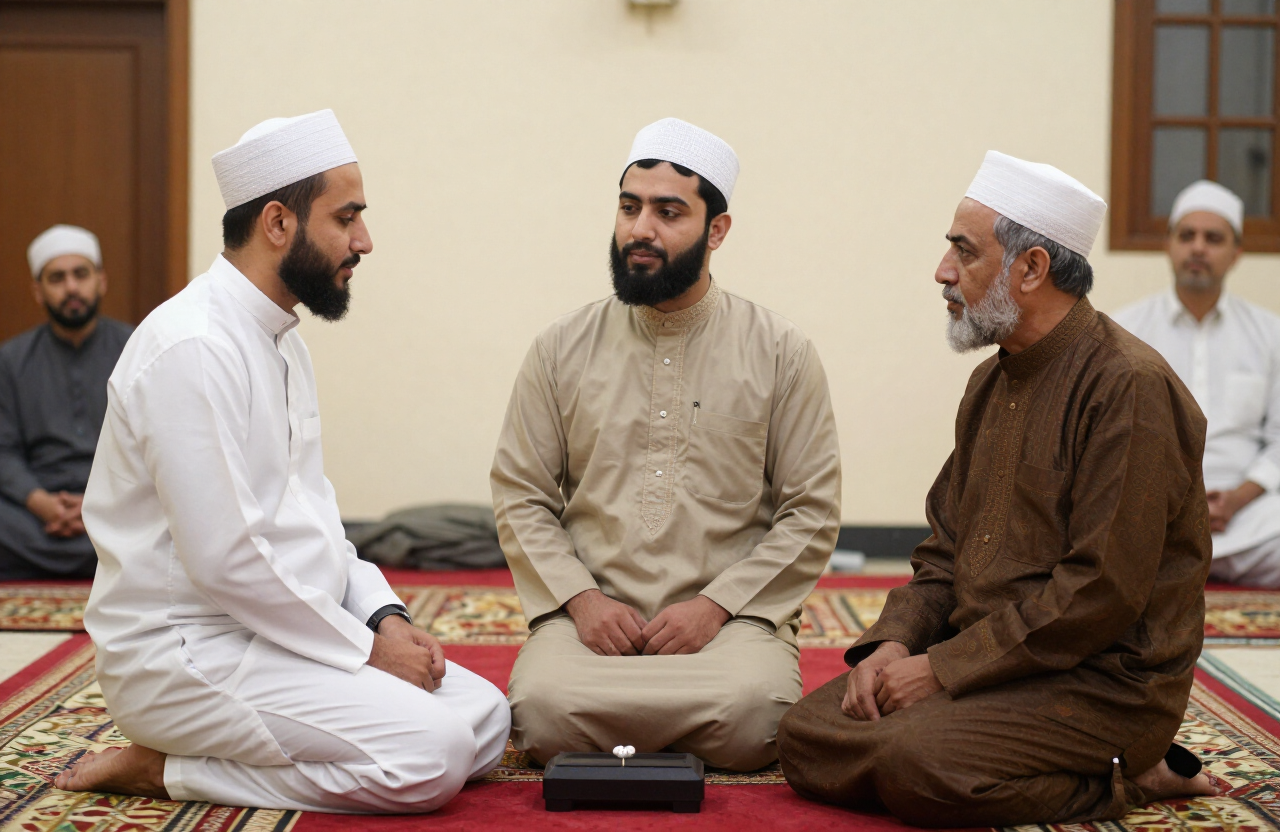
The Nikah Khawan usually opens with the khutbah, a short sermon on marriage. The particulars of the bride, groom, witnesses and any representative are then confirmed against identity documents and entered in the Nikah Nama.
Next comes ijab and qabul — the offer and its acceptance. The bride’s consent is sought and recorded, often through her wakil in the presence of witnesses, and the groom accepts in the gathering. The agreed mehr is stated, the bride, groom, witnesses and Nikah Khawan sign, and the ceremony usually closes with a dua for the couple.
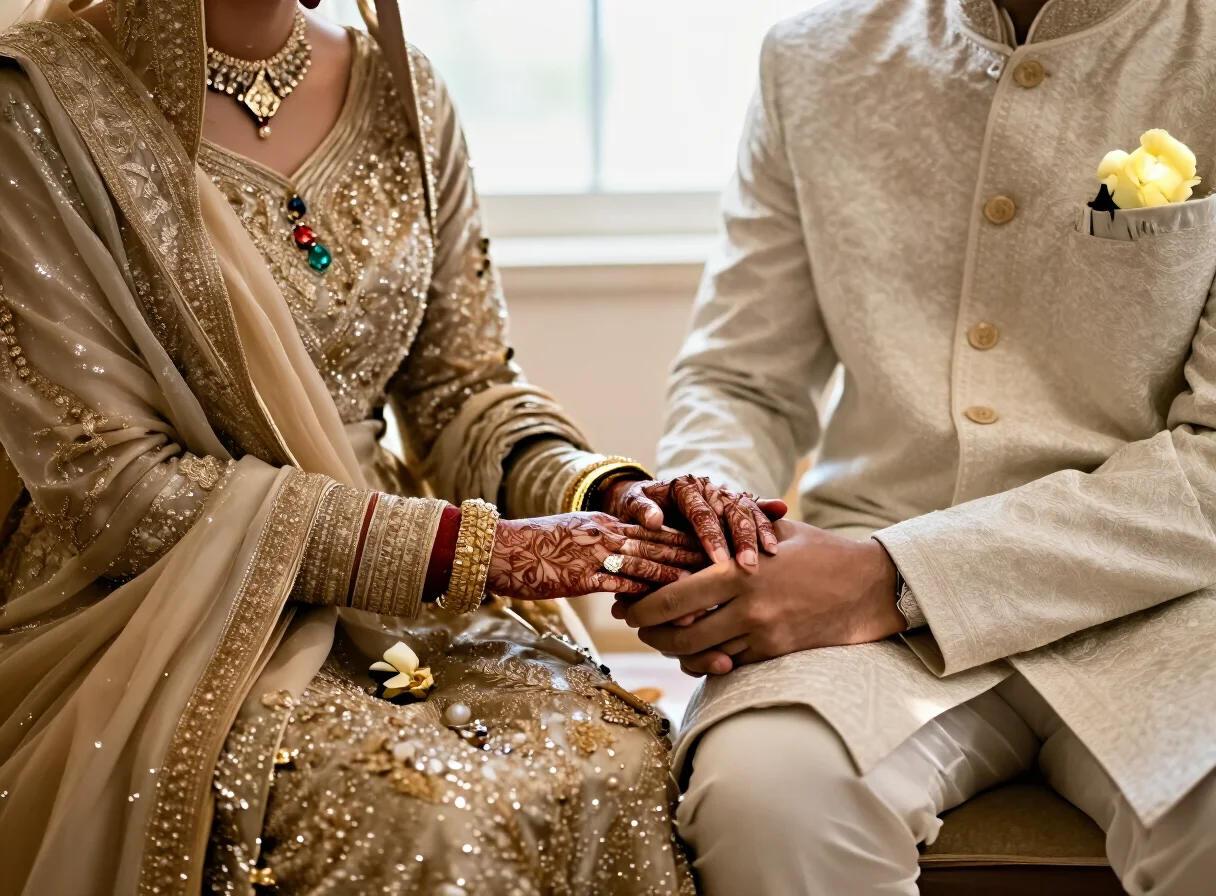
Mehr, witnesses and the role of the wali
Mehr is the bride’s right under the contract. Its amount, whether it is paid at once or deferred, and anything given in part payment are recorded in the Nikah Nama. It is a matter between the spouses and has nothing to do with any service fee.
The contract is concluded before competent adult witnesses who are present and identifiable; their details go into the Nikah Nama. Whether a wali (guardian) must take part depends on the school of thought followed and the circumstances, so this is reviewed for each case rather than assumed. See Sharia Nikah for the religious elements in more depth.
What to check in the Nikah Nama on the day
The Nikah Nama is the prescribed contract form, and mistakes made on the day are slow to correct later. Before anyone signs, read the entries together rather than leaving them to the officiant.
Check that names, CNIC or passport numbers and dates match the identity documents; that marital status is correctly stated; that the mehr amount and its terms are written as agreed; whether the wife has been delegated the right of divorce (talaq-e-tafweez) and on what terms; that any special conditions are recorded in full; and that witness and representative details are complete.
After the ceremony: rukhsati, walima and registration
Rukhsati, when the bride leaves her parents’ home, may take place on the same day or later. The walima, a reception hosted by the groom’s family, follows the marriage. Both are significant customs, but neither is a legal step, and the timing is a family decision.
The legal step that must not be missed is registration. Under the Muslim Family Laws Ordinance, 1961, a marriage solemnised under Muslim law is to be registered with the Union Council through the Nikah Registrar. A NADRA computerised marriage certificate is generally issued from that record. See registration and the NADRA certificate.
Regional and family customs
Customs differ across Punjab, Sindh, Khyber Pakhtunkhwa, Balochistan and between families within each region. Some weddings run over several days with music and large receptions; others keep the Nikah to a small gathering at home or in a mosque, followed by a walima.
None of these variations changes the legal core. However the day is celebrated, the same consent, witnesses, mehr, Nikah Nama and registration apply. If family members are travelling from different cities or countries, plan around the ceremony and the paperwork first, and the celebrations second.
Legal age and free consent
Both spouses must consent freely. The minimum age for marriage is set by provincial law. Sindh (the Sindh Child Marriage Restraint Act, 2013), Punjab, the Islamabad Capital Territory and Balochistan set the minimum age at 18. Khyber Pakhtunkhwa continues to apply the Child Marriage Restraint Act, 1929.
We coordinate a Nikah only where both spouses meet the legal age that applies to them and freely agree to the marriage. Where there is any doubt about capacity, a prior marriage or consent, we review it before anything is arranged.
In person, or coordinated from abroad
Most Nikah ceremonies take place in person — at home, in a mosque or at an office — with the couple, the witnesses and the Nikah Khawan in the same room. Planning, document review and drafting the Nikah Nama can still be handled remotely before the day.
Where the bride or groom cannot attend, a representative (wakil) may act under a valid authorisation, but the route must be assessed first, and a video call alone is not a sufficient ceremony. See Online Nikah in Pakistan and guidance for overseas Pakistanis.
How we help with the ceremony
We arrange a licensed Nikah Khawan, prepare and check the Nikah Nama with you before the day, help organise witness and representative details, and follow the registration through to the Union Council record. Where the marriage will be used abroad, we can arrange certified translation of the Nikah Nama.
Our professional fee is agreed in writing after we understand your case; see fees. We do not promise fixed dates for official records, because those depend on the authorities and on complete documents.